Load Rating On Tires Fails State Inspection
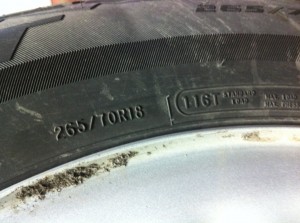
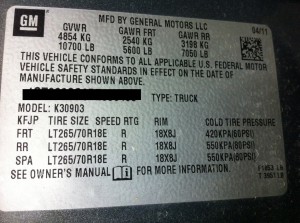 Just had to tell a customer with a 3500HD truck that it doesn’t pass inspection because the new tires he put on are not up to the weight class of the truck. They installed the correct size so that was the right way. Problem is that they used standard load when the vehicle required a Light Truck (LT) with Extra Load ply rating from the factory. Do yourselves a favor and always check the door jam to get the correct tires for your application. This vehicle uses a plow as well and the stress on the light duty tires is definitely unsafe.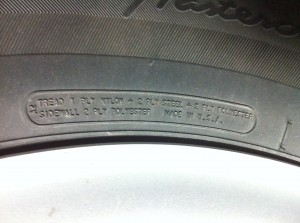
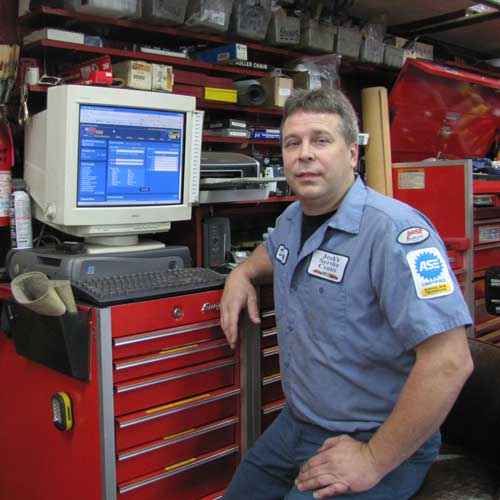 Mechanic’s Corner is brought to you by Denny Aungst of Jeck’s Service Center in Pine Grove, PA. Jeck’s Service Center is a multi-faceted family run business specializing in automotive, light truck and school bus repair. Denny is an ASE Master Certified Auto Technician and enjoys sharing tips on his website and Facebook page make sure to follow along on Facebook and if you are in his area, consider Jeck’s for your next service.
Posted: 1st February 2017 | Author: Kevin Schappell | Category: General
2008 Hyundai Azera Rust Damage from PA Road Salt
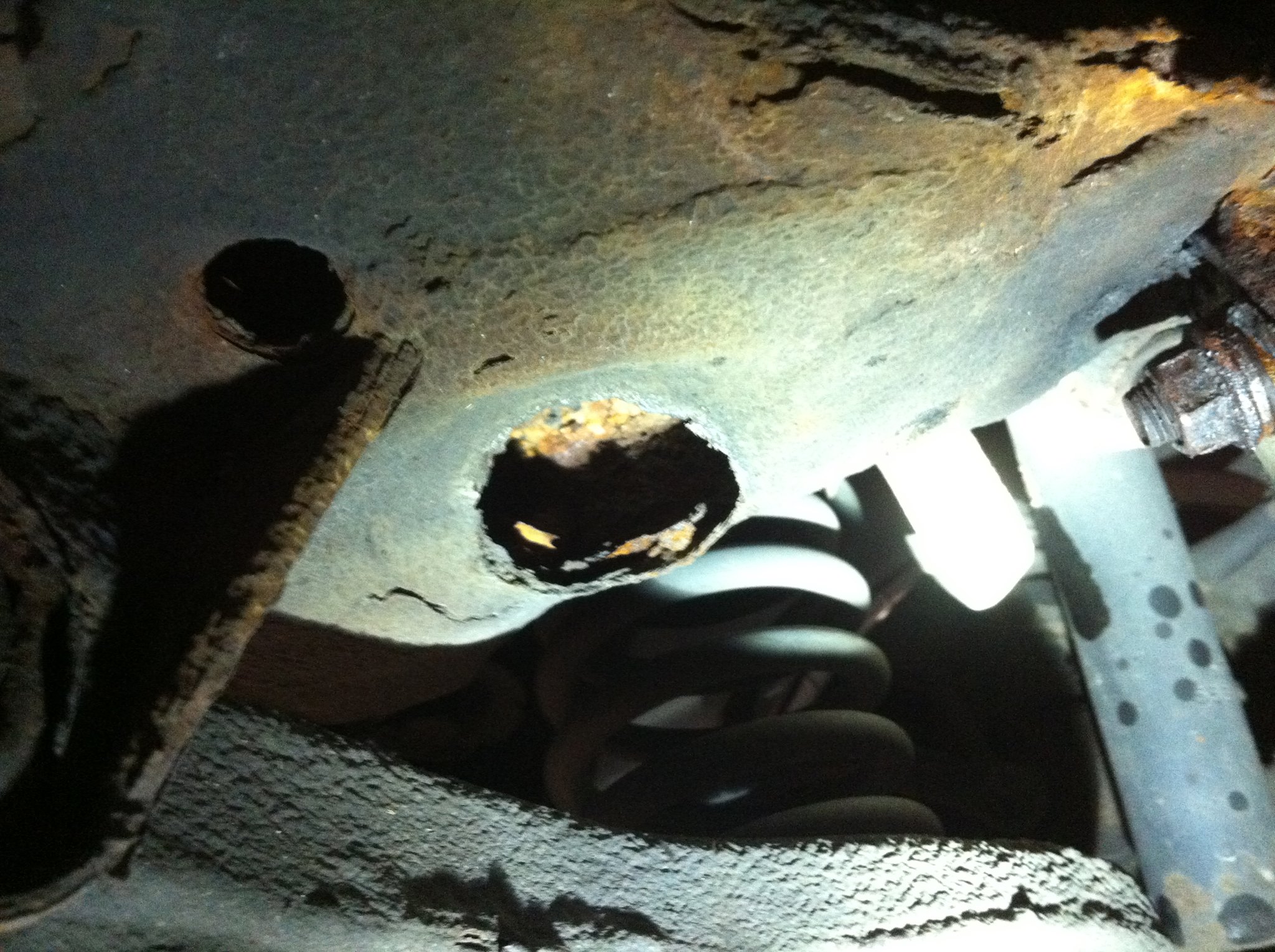
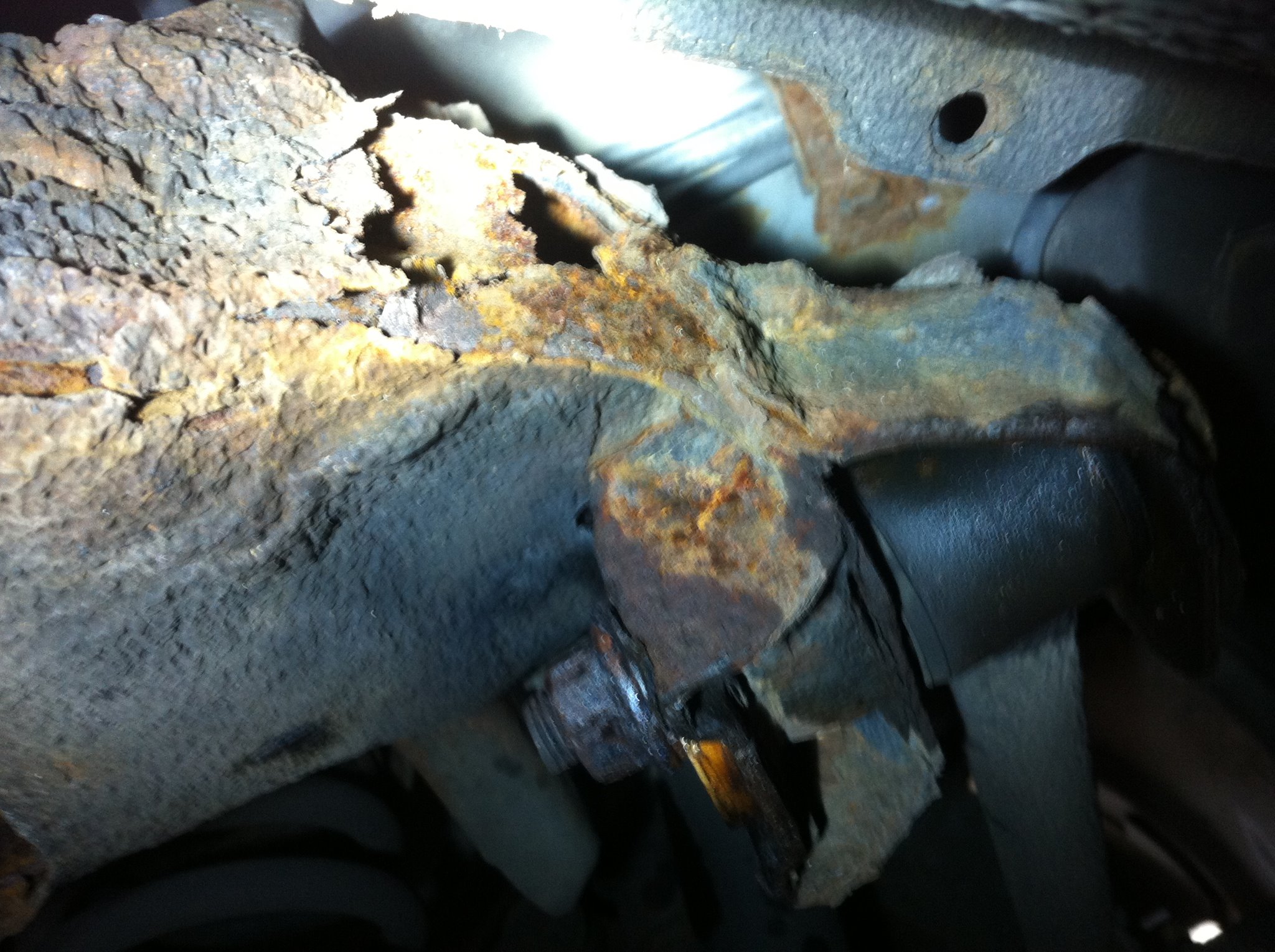
Looking at an 08 Hyundai Azera today. Needed some other stuff, but a check of the alignment showed a need to make a rear toe adjustment. Turns out, the rear subframe is collapsing due to internal rust problems. Couldn’t move the adjustment without colapsing it further. Own one? You may want to have a look.There is a Hyundai service Campain (ref # RC-113) that may help you get it repaired at no charge. Here are a couple pics if what we found.
Want to learn more about rust prevention, treatement and removal? click here.
Mechanic’s Corner is brought to you by Denny Aungst of Jeck’s Service Center in Pine Grove, PA. Jeck’s Service Center is a multi-faceted family run business specializing in automotive, light truck and school bus repair. Denny is an ASE Master Certified Auto Technician and enjoys sharing tips on his website and Facebook page make sure to follow along on Facebook and if you are in his area, consider Jeck’s for your next service.
Posted: 30th January 2017 | Author: Kevin Schappell | Category: Mechanics Corner
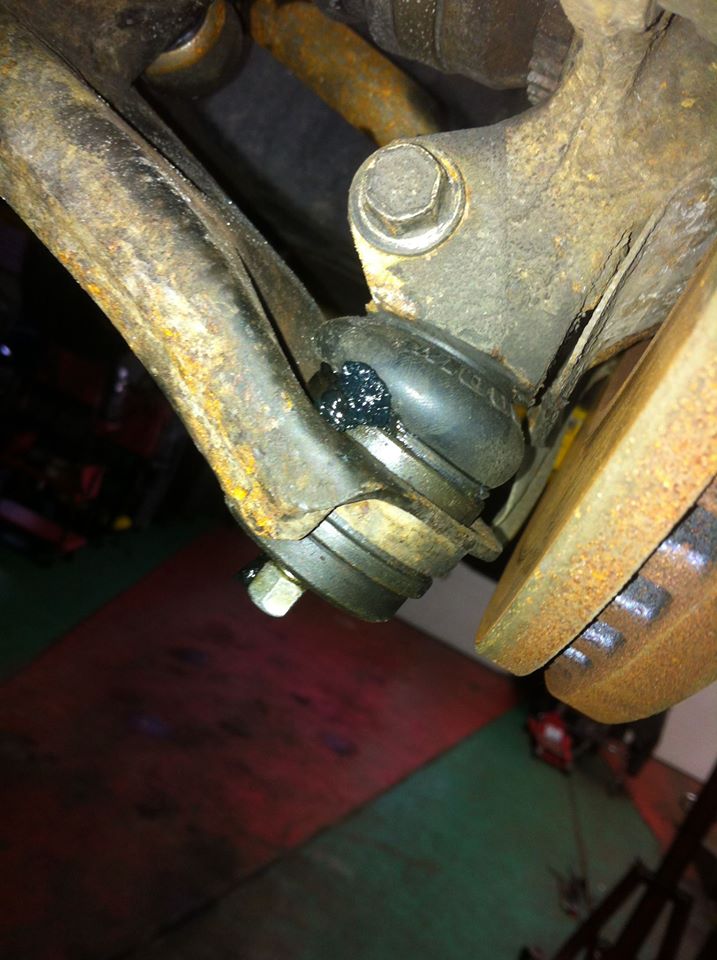
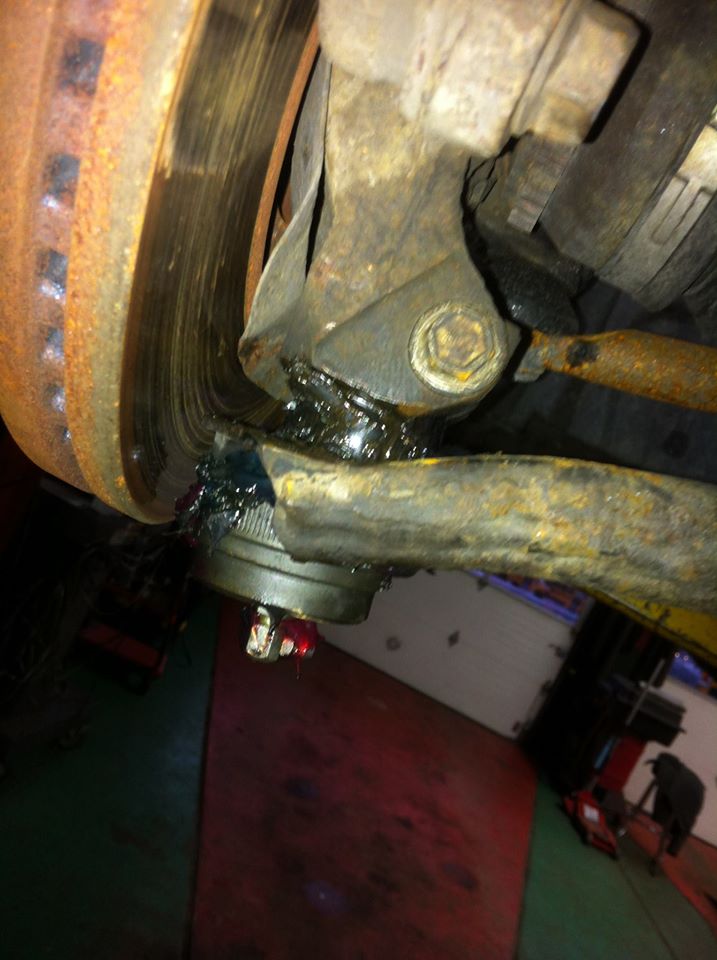
Ford Edge Ball Joint Replacement
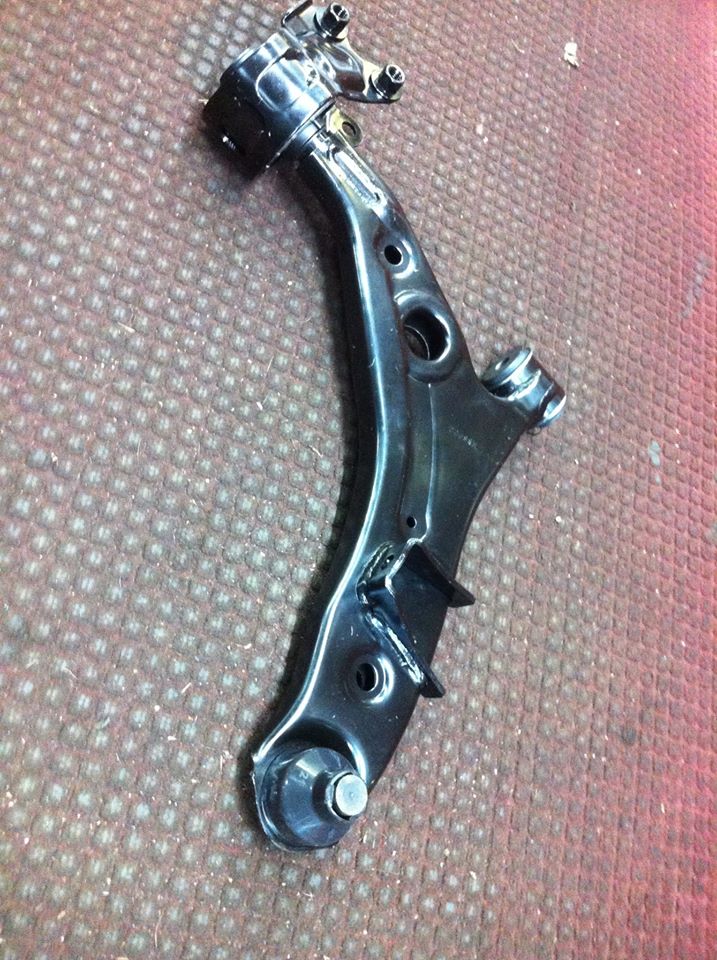 Sometimes it is the correct way to repair a ball joint by replacing the entire control arm. A previous repair to this Ford Edge that came in for an alignment failed by using a lower quality ball joint replacement. This particular control arm had issues with the ball joint socket stretching when the joint is replaced. This particular vehicle had the ball joints pop out of the control arm while driving. I know NAPA doesn’t even offer the ball joint separate from the entire control arm.
Mechanic’s Corner is brought to you by Denny Aungst of Jeck’s Service Center in Pine Grove, PA. Jeck’s Service Center is a multi-faceted family run business specializing in automotive, light truck and school bus repair. Denny is an ASE Master Certified Auto Technician and enjoys sharing tips on his website and Facebook page make sure to follow along on Facebook and if you are in his area, consider Jeck’s for your next service.
Posted: 16th January 2017 | Author: Kevin Schappell | Category: Mechanics Corner
Twisted Cartridge Oil Filter
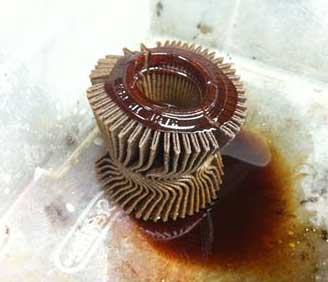 These style oil filters can be tricky. Make sure to get them on straight AND properly torque the housing. This customer came in with ZERO oil pressure due to the previous shop getting the filter installed crooked. It twisted it that tight and locked the bypass valve so no flow could eventually make it through the filter. This filter made it almost 9000 miles (well over due for change) and couldn’t have been very efficient at protecting his engine.
Mechanic’s Corner is brought to you by Denny Aungst of Jeck’s Service Center in Pine Grove, PA. Jeck’s Service Center is a multi-faceted family run business specializing in automotive, light truck and school bus repair. Denny is an ASE Master Certified Auto Technician and enjoys sharing tips on his website and Facebook page make sure to follow along on Facebook and if you are in his area, consider Jeck’s for your next service.
Posted: 13th January 2017 | Author: Kevin Schappell | Category: Mechanics Corner
Critters in your engine’s air filter…
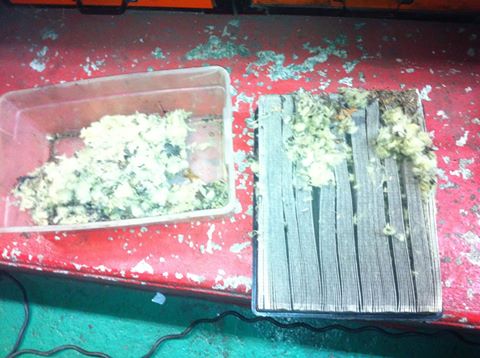 One of the most neglected things on a car is the air filter. This one was a vehicle that is parked outside. Mice love to find warm places to make their nests. This then clogs the filter and skews the MAF readings on a modern car causing it to usually use more fuel and misfire. Check them regularly or better yet, if you live in a remote location or park them for extended times, you may want to use a screen over the intake duct to prevent the entry of mice.
Mechanic’s Corner is brought to you by Denny Aungst of Jeck’s Service Center in Pine Grove, PA. Jeck’s Service Center is a multi-faceted family run business specializing in automotive, light truck and school bus repair. Denny is an ASE Master Certified Auto Technician and enjoys sharing tips on his website and Facebook page make sure to follow along on Facebook and if you are in his area, consider Jeck’s for your next service.
Posted: 11th January 2017 | Author: Kevin Schappell | Category: Mechanics Corner